


I recently came across a New York Times article about how museums are beginning to embrace AI. The article described exhibitions by Philippe Parreno and Pierre Huyghe in which AI was used to control the visitor experience rather than to create images. Weather feeds, robotic cameras, and the voice of a news anchor were all connected and reconfigured by algorithms, so visitors could never quite know how the works were made. Clarity was not the point; uncertainty was.
This approach is very different from my own, which struck me as I read the article. In their work, AI becomes an invisible architecture that shapes the viewer’s environment. In my work, AI is a way to give form to what cannot be photographed. Photography has always been my way of showing the outside world. AI allows me to turn inward and translate memory and imagination into something visible.
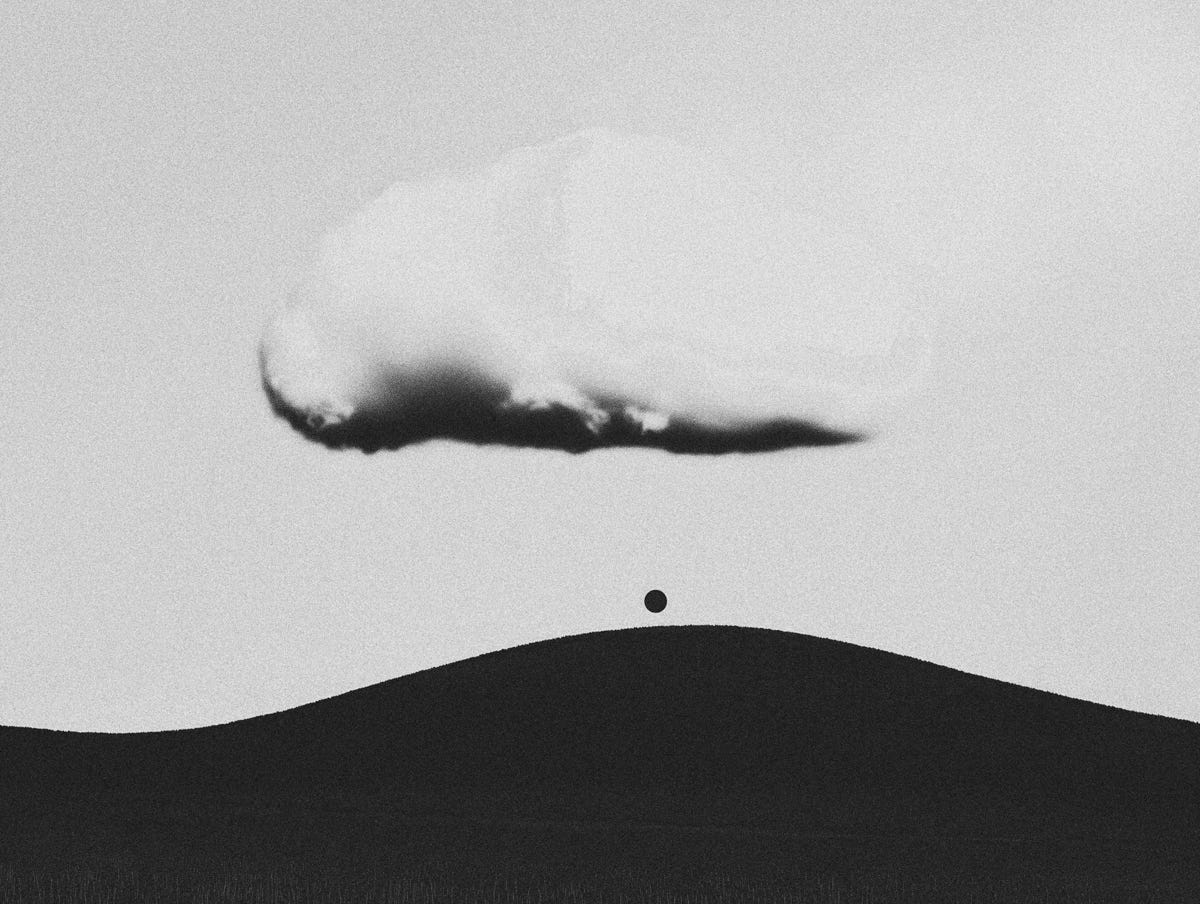
This shift has given me a freedom that I had never experienced before. As a photographer, I always needed something in front of me—a person, a landscape, or a still life. With AI, however, I can create from nothing, almost as a painter does with a blank canvas. I used to envy that ability to start from imagination alone. Now, I have a tool that allows me to do the same, albeit in a way that carries the weight of my photographic archive. Yet, this freedom raises a question: If my hand becomes less visible, does the image still belong to me? I find this both liberating and slightly unnerving.
Over the past three years, I have been developing a body of work called “Echo from Beyond,” which explores the dialogue between photography and AI. I recently began showing it publicly, and I am most fascinated by how people respond. They spend more time looking at these works than they do at my photographs. They ask questions: Is it real? Is it assembled? Is it drawn? Some are convinced by the images that could pass for photographs; others are drawn to the ones that are obviously not. The space between recognition and doubt is what I want to explore. This space sparks discussion, excitement, and sometimes even discomfort. I find it just as valuable as the images themselves.
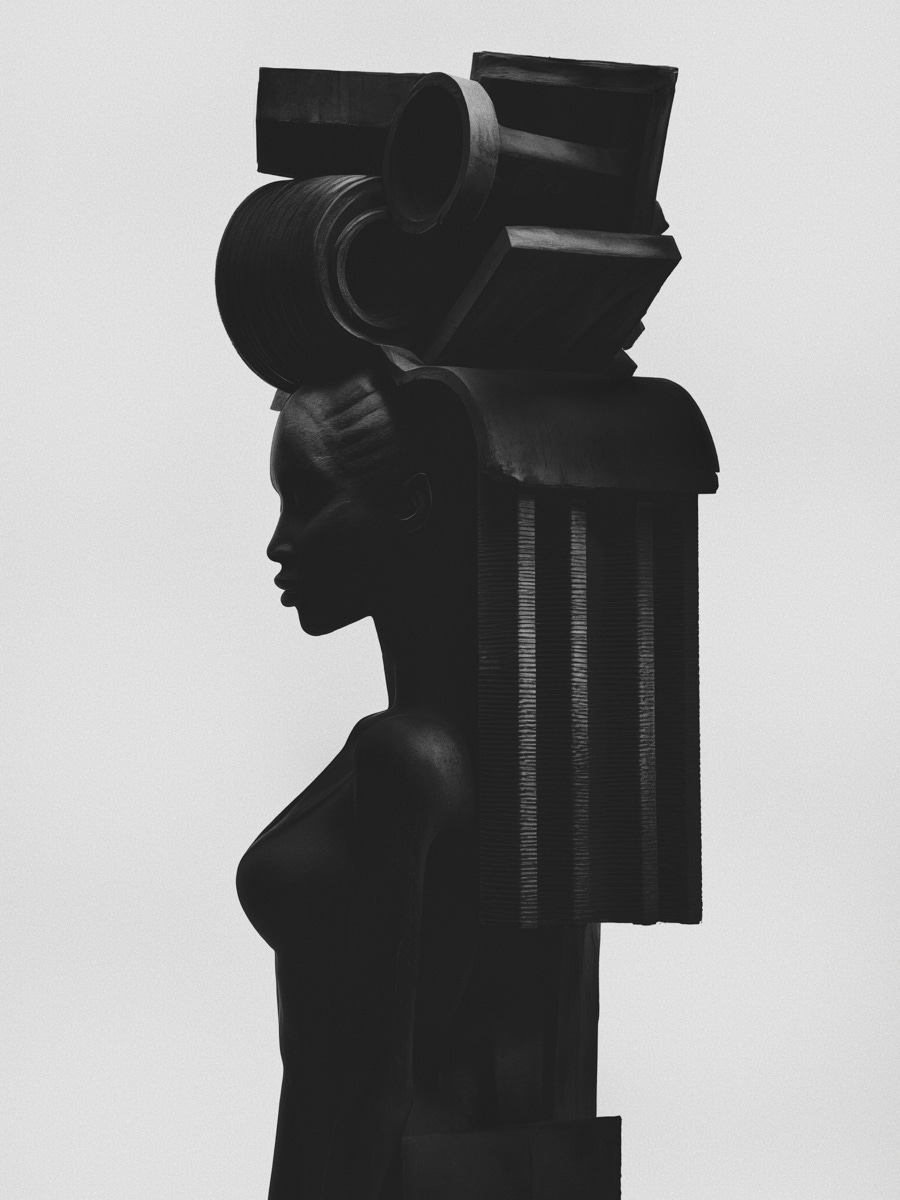
The first Echo from Beyond exhibitions took place in Berlin and Portugal. The reactions were strong in terms of both response and the way people engaged with the work. This tells me that there is a hunger for art that opens questions rather than closes them. Perhaps the real question is not whether AI can create art, but how it alters our perception of ourselves as creators.
While Parreno and Huyghe use AI to orchestrate systems that move beyond their control, I begin with an inner landscape. It starts with memory and intuition rather than data or sensors. Both approaches question where the artist ends and the machine begins. Perhaps that defines this moment in art. AI can be used to build systems that observe us or to create images that reveal what we cannot see. One approach turns the machine outward; the other, inward. Both approaches remind us that the artist remains at the center of the experiment.
To me, AI is not the artist. It is merely the board on which I continue to play. The stories and choices are still mine, but the board enables me to ask new questions. I am certain that the game has only just begun.
Are you familiar with the work of Casey Reas? He uses GAN to create his works. I would love to chat with you more about how you produce your works!
Is your AI program trained exclusively on your archive or does it include other images as well?