


Studio Petit Oiseau, Paris. Set 3, January 2026. The first frame I exposed in colour in fifteen years was waiting for me on a stage Aymeric Arnould had built from scratch.
For fifteen years I have been a black and white photographer. Not by accident. By rule. Black and white is the medium I learned to see in. It strips a face down to its weight. It makes light obey.
Then Numéro asked.
A door I had been circling
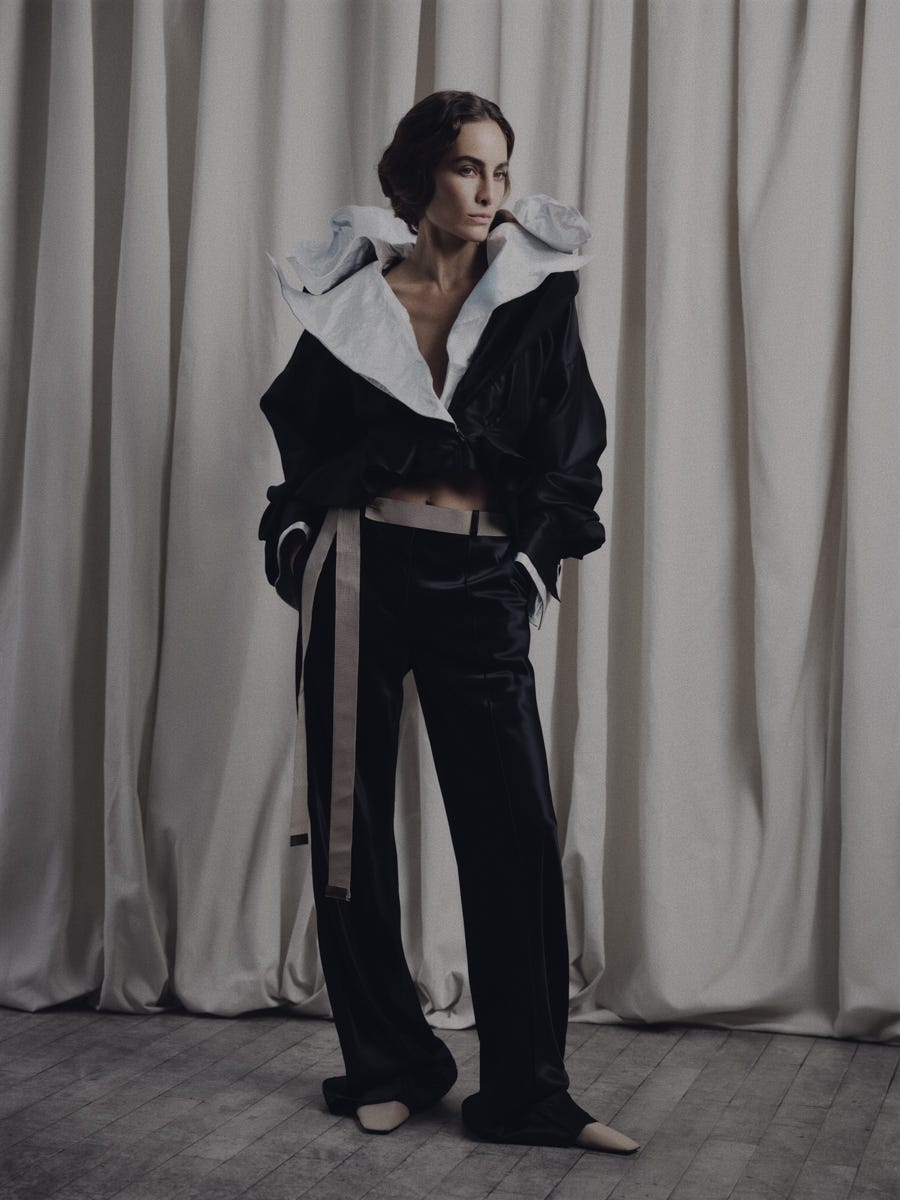
I had been interested in colour for a long time. Quietly, on the edges of my own practice. Tests that never quite landed. Frames that felt like a different photographer’s work the moment I looked at them. I never found my way in.
What changed was the invitation, and the team behind it.
Numéro 261 came with the frame I do not always have. Janneke Schrey as art director. Rebecca Bleynie on styling, the level you want around you when you are stepping into something for the first time. Aymeric Arnould as set designer, given the budget and the time to build the entire set from scratch. Maria Olsson on makeup. Olivier De Vriendt on hair. Those facts, the styling and the set most of all, did the real work in finding the palette.
For the first time, I thought: this is how we are going to do it, and we are going to try.
Two tones, no more
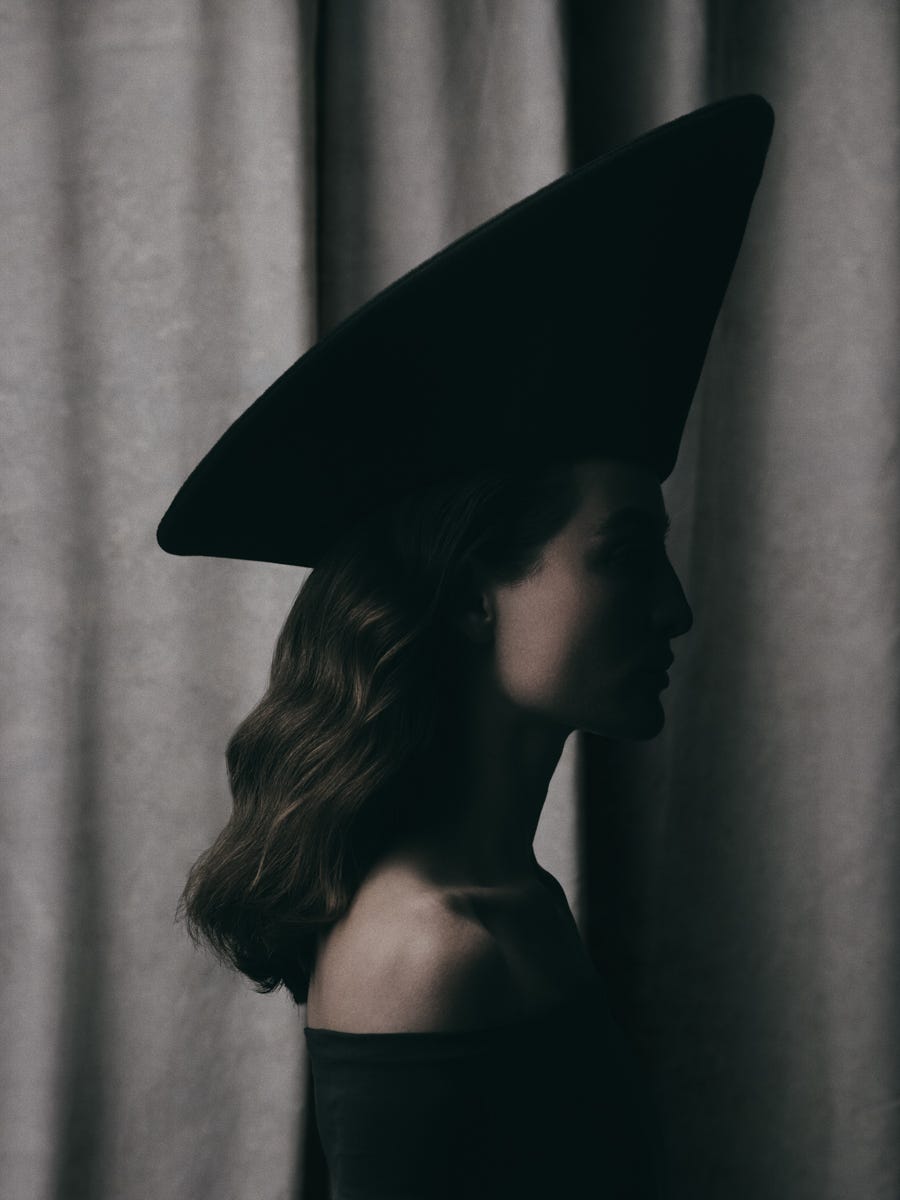
If I work in colour, I have one rule. It has to stay quiet.
Two tones in a frame. Maybe three. Reduced palettes, low saturation, tones pulled almost down to the value range I would print in black and white. The whole point is that someone seeing one of these images should still recognise it as mine. Same eye. Different light.
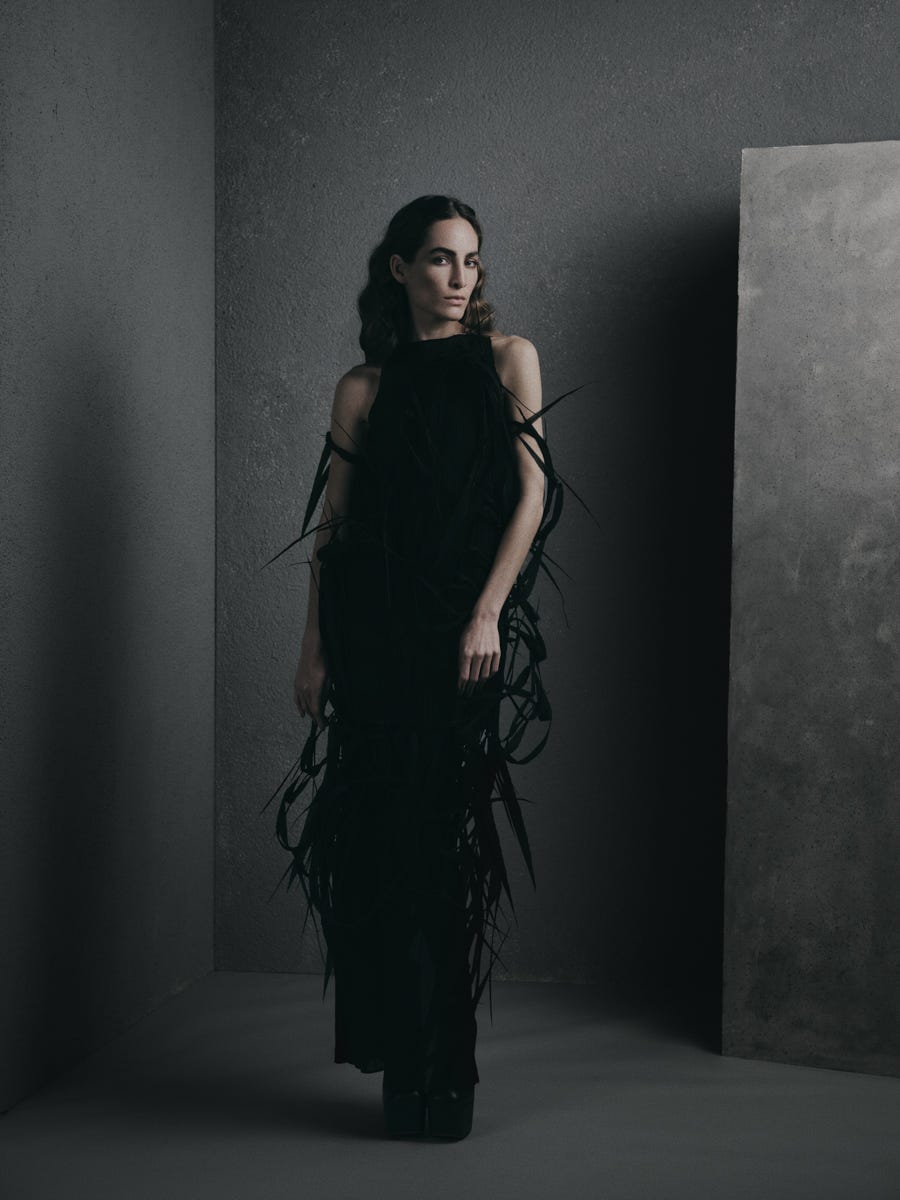
What I avoid is loud. No bright pink. No fire-engine red. No saturated yellow. The kind of colour that announces itself before the photograph does.
Aymeric and Rebecca understood this immediately. The set, the wardrobe, the makeup, the hair. All of it built around the principle that colour was a tone, not a statement. That is the only way I know how to do it.
Heather
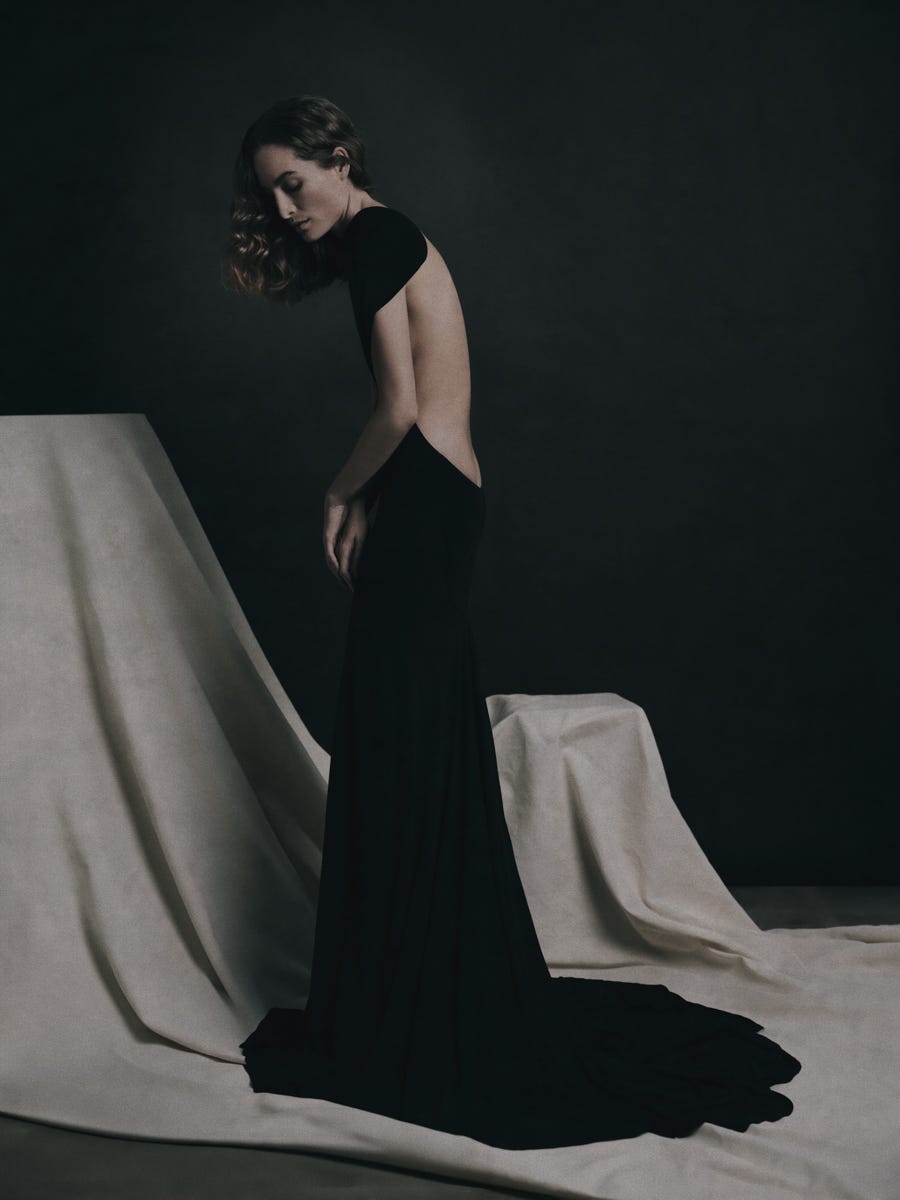
I had been following Heather Kemesky for years before we ever stood in a studio together. Her work alone, and her work with Imre van Opstal, her partner. Imre is a Dutch choreographer and dancer, an associate at Nederlands Dans Theater, with her own creative practice alongside her brother Marne. The two of them as a couple in front of the camera, the Vogue Netherlands cover Cass Bird shot of them in 2024, the Byredo campaign, the quieter editorials in between, has been a thing I have followed closely. There is something rare about a couple who can hold a frame the way those two do, and I have admired it from a distance for a long time.
So getting Heather on this shoot was a moment for me. I want to say that clearly.
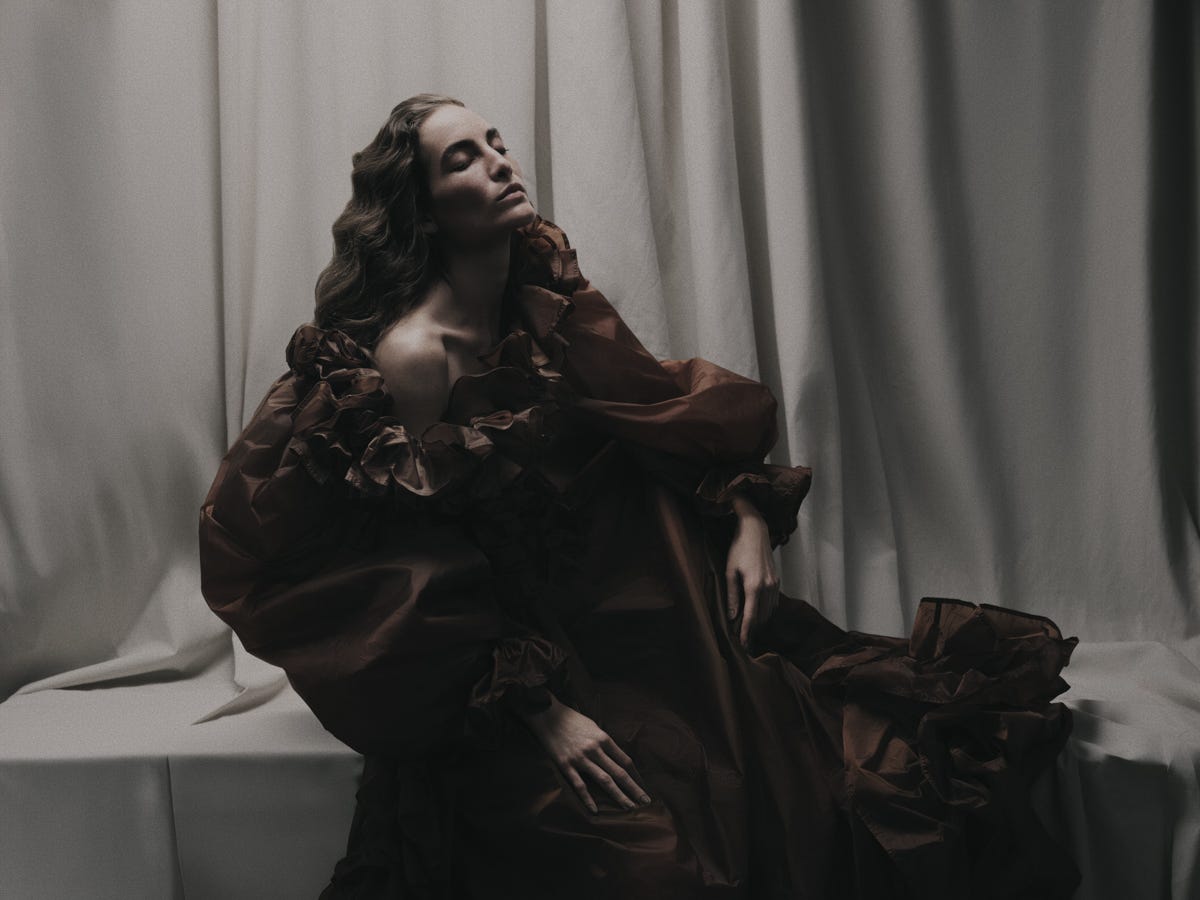
She is extraordinary in person. Her beauty has a quality I find hard to name and refuse to flatten into adjectives. There is just something there that other people do not have. The bones, the eyes, a presence that does not perform itself. The camera does not have to work for her. It gets to be there.
This series exists, in colour, because Heather made colour easy. I was the one stepping into a register I had been circling for fifteen years. She was the one giving me a face the register could rest on. That is not a small thing.
