


This month, five things that kept pulling me back. A house that treats objects as philosophy. A book that made the Amazon feel close enough to hear. A photographer whose work redefined how I think about time. An essay I want everyone to read. And a photobook that understands what commitment actually looks like.
Here is what stayed with me.
Glenn Sestig — The Stuff That Surrounds
The Wallpaper\ series The Stuff That Surrounds* visited Belgian architect Glenn Sestig in his home in Ghent — a brutalist house designed by Ivan Van Mossevelde in 1972, bought and restored by Sestig in 2017. What you see inside is not decoration. Every object is a position. Materials are chosen the way you choose words: precisely, without excess.
What struck me is how the house is an extension of his practice. Not a showroom. A way of living that follows the same logic as the work. Architecture, design, and daily life treated as one continuous sentence.
I noticed the same thing last December when I wrote about Studio STRAF — that restraint is not a style, it is a mindset. Sestig takes it one step further: he lives inside it.
Paul Rosolie — Mother of God
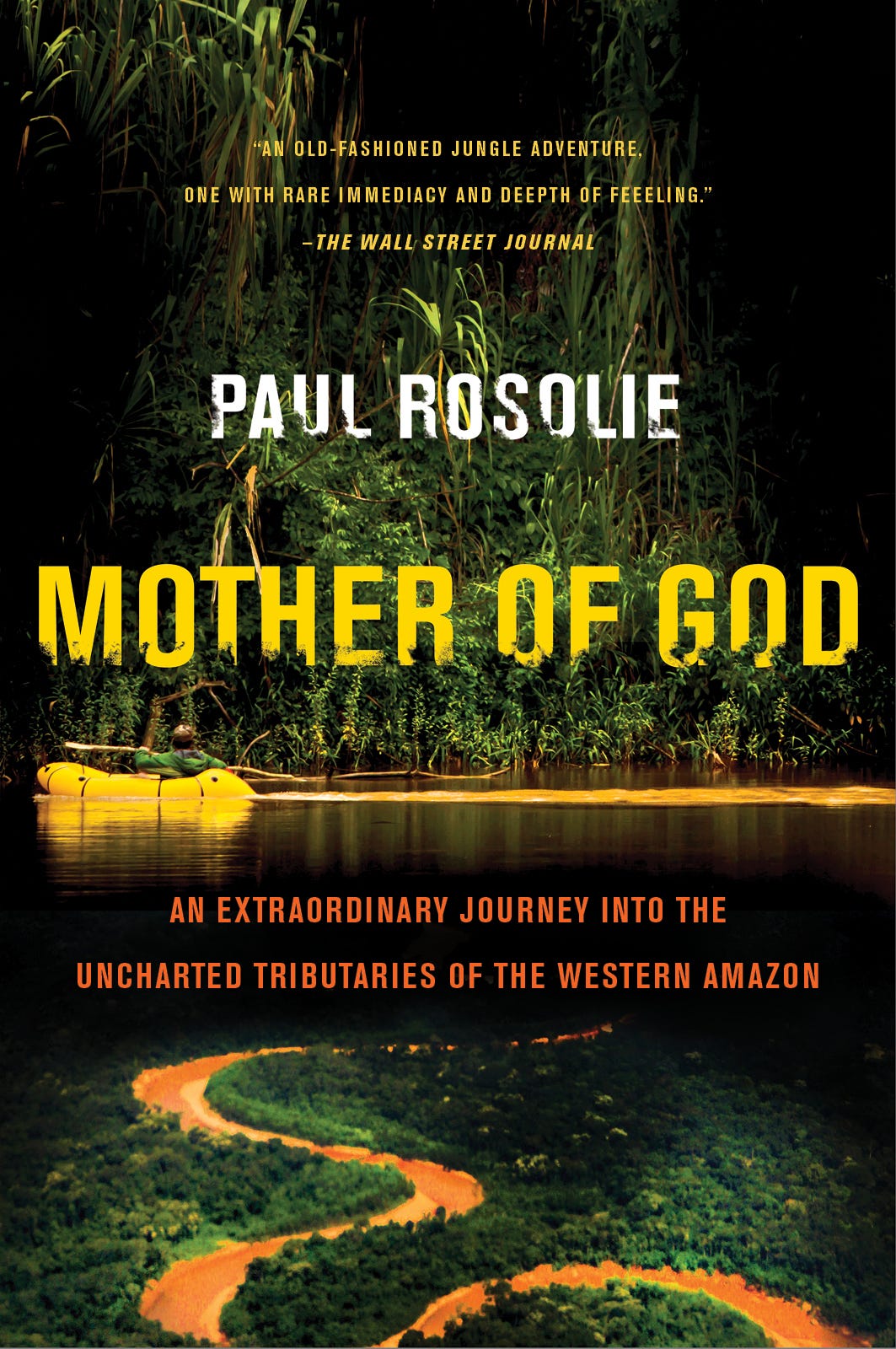
Paul Rosolie was eighteen when he first walked alone into the Madre de Dios region of Peru — one of the most biodiverse and inaccessible places on Earth. Mother of God is the book that came out of years of returning. Giant anacondas, isolated tribes, jaguars, gold miners, and a forest that keeps most people out.
What I took from this book is not the adventure. It is the commitment behind it. Rosolie did not visit once. He kept going back. He learned the jungle on its own terms, not his. That is a different kind of discipline — not the discipline of control, but the discipline of surrender.
It reminded me of what I wrote in the Deep Dive on Karawan earlier this year: the places that change you are the ones you return to. You do not take them. They take you, slowly, over time.
Jane Goodall called it “an extraordinary book.” I would not argue with that.
Ikkō Narahara
I found Narahara through a video by the channel Developing Tank, and I have not been able to stop thinking about him since. He was born in Japan in 1931, co-founded the photography collective VIVO in 1957, and spent the next six decades photographing prisons, monasteries, Venice, the American Southwest, Apollo launches, and eventually the inside of his own body using X-rays and isotope photography.
What defines his work is not a subject but a question: what does photography have to do with time, with death, and with the experience of being alive? Each project was a different attempt at the same answer. He wrote once that photographs carry within themselves “a nostalgia for cosmic memories.”
That sentence has been with me for weeks. It connects to something I have been thinking about with HENRO — how a pilgrimage route in Japan became not just a project, but a reckoning with time. Narahara spent his entire career asking the same thing with a camera. That kind of consistency feels rare.
Jared Thomas Tapy — Why Curiosity Is the Most Important Skill Set

I write about curiosity often. I explored it in The Shape of Curiosity and in conversations and in how I try to structure my days. If I had to name the single most important character trait for a creative person — not talent, not discipline, not vision — it would be curiosity.
So when I came across this essay by Jared Thomas Tapy in his Substack The Creative Connection, it felt like reading something I had been trying to say for years. His argument is that curiosity is not a personality trait. It is a discipline — something you practice, protect, and develop deliberately. And that the online economy is systematically destroying it: rewarding certainty, speed, and repetition while leaving no room for genuine exploration or doubt.
I recommend it wholeheartedly.
Frederik Buyckx — Horse Head
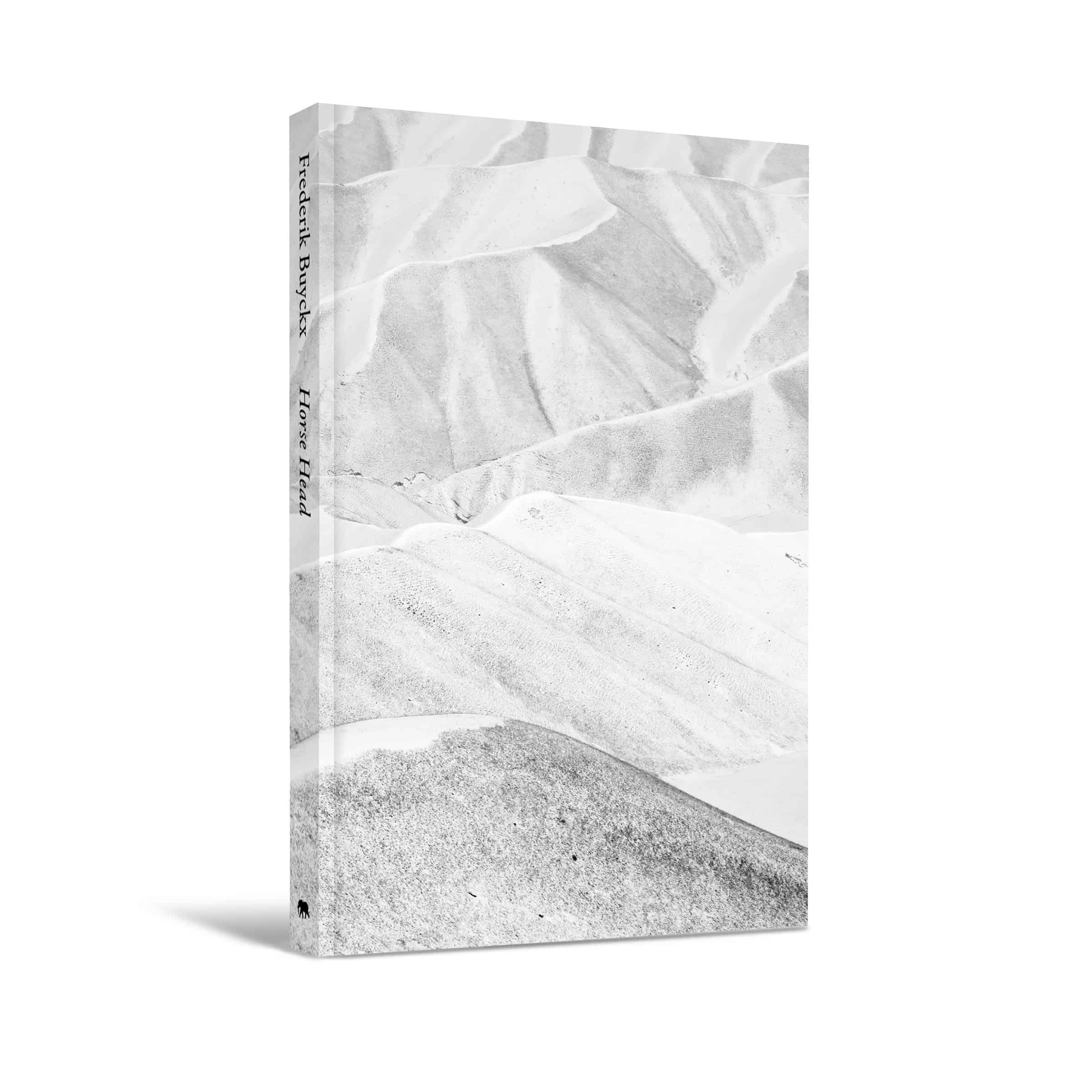
Horse Head is a photobook by Belgian photographer Frederik Buyckx, documenting the lives of semi-nomadic herders in Kyrgyzstan. He made seven trips across three years. He rode with the herders on horseback. He built a quiet relationship without sharing a language. He photographed people living at altitude, in deep winter, in near-total isolation — and he did it without captions, without explanation.
The book demands that you learn to look. Black-and-white, slow, cold, and honest. Bichromy printing, Swiss binding, deliberate pacing. Nothing is rushed. Everything earns its place.
What I recognize in Buyckx’s approach is what I wrote about Stephan Vanfleteren last December: “This is not a fleeting idea. It is work that demanded time, and time was given.” Horse Head is the same conviction, in a different landscape. And it rhymes with Rosolie’s Amazon, and with Narahara’s decades-long meditation on the same questions. Some things only reveal themselves to those who keep showing up.
Five things that have stayed with me this month. Each one, in its own way, about going further than planned and staying longer than expected.
What has stayed with you? I would love to hear.
More soon.
— Bastiaan
If you want to go deeper into the thinking behind the work — the process, the doubt, the choices — that conversation continues in the paid edition.