


Every now and then, I take a deep dive into one of my projects. The first one was about Karawan, my journey through Morocco. This second project stays much closer to home. It is about Amsterdam Portraits, a 2019 project in which I took my studio out onto the streets of Amsterdam and photographed passers-by.
Seven years have passed since then, and I find myself thinking about it more often. This is partly because people still order the book. But mostly because the idea behind it has never left me.
What the project was
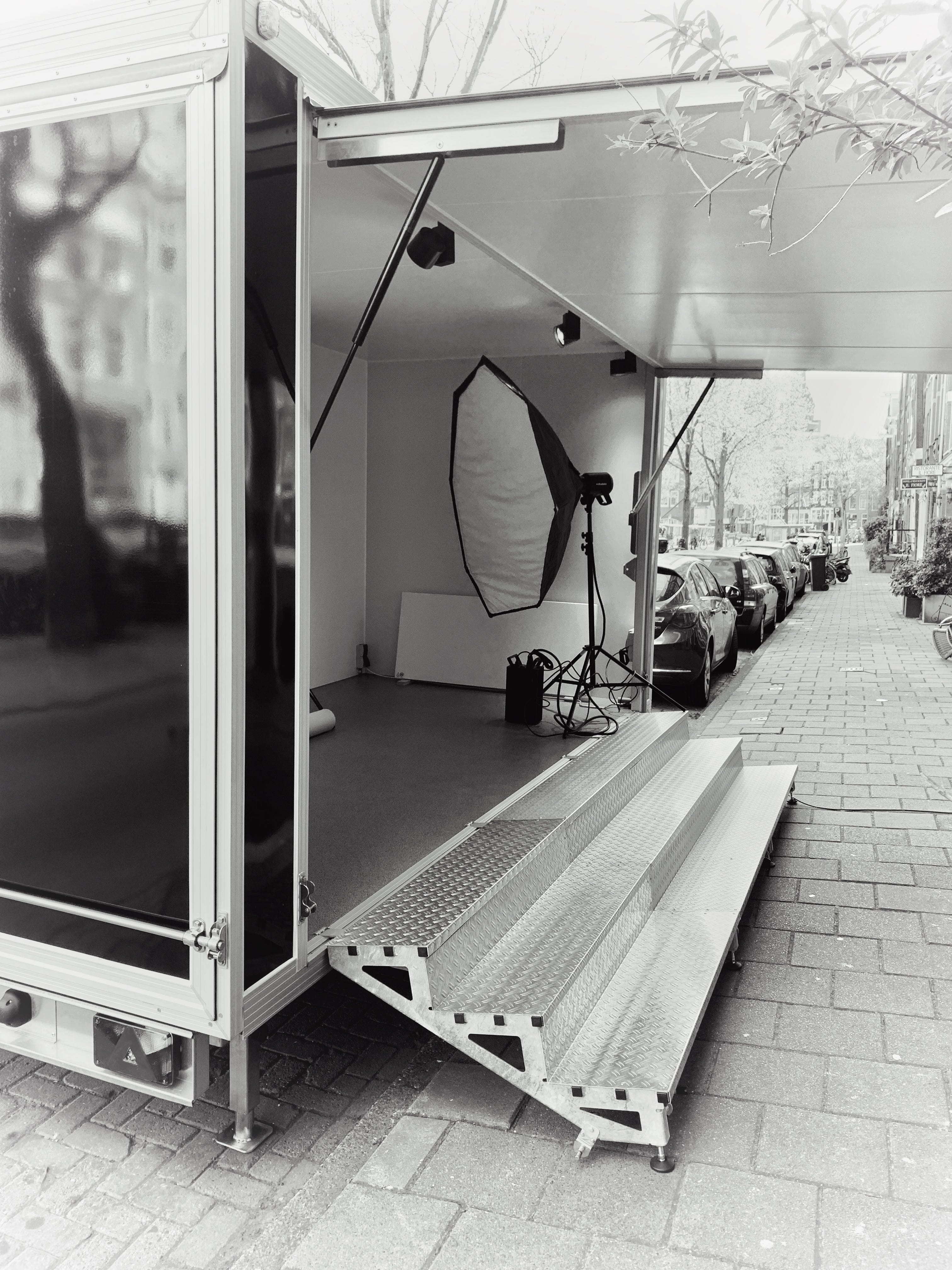
Usually, people come to my studio to be photographed. For Amsterdam Portraits, however, the studio went to them. A trailer was converted into a fully-equipped photo studio measuring two metres wide, 2.15 metres high and 4.25 metres long. A company that usually transports art for museums and galleries moved it around the city.
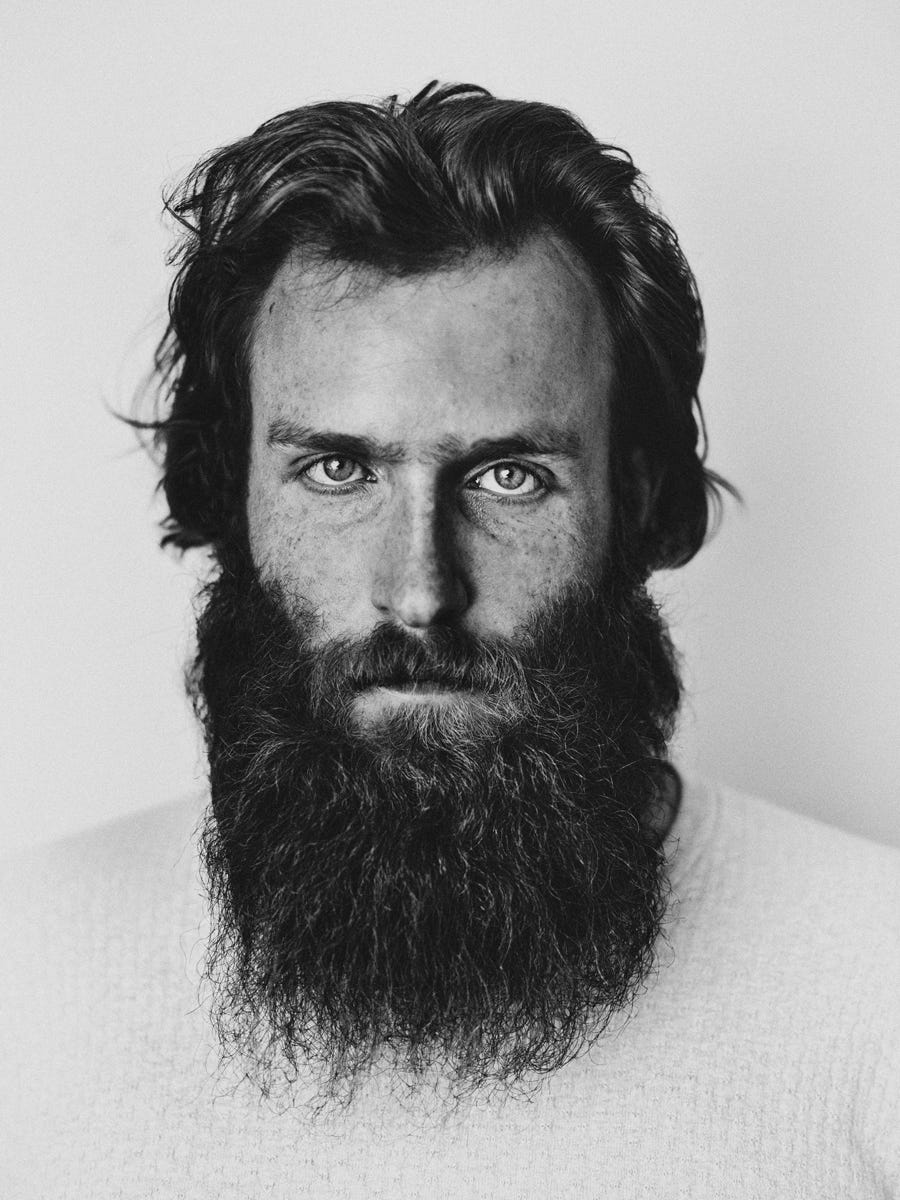
We worked for ten days, spread between April and August 2019, in a different location each day. These included the Lindengracht and the Noordermarkt. The Museumplein and the summer evening party at the Rijksmuseum. We also worked in the districts of Zuid, Zuidas, Oost, Noord and Zuidoost in the Bijlmer. I can no longer name every exact spot, but each location had its own unique charm. The Bijlmer was one of my favourites because of the enormous variety of people walking past.
We never needed a permit. The police would stop by every now and then to see what we were doing. Once they found out, they thought it was a great idea.
How it worked
In the morning, we would park the trailer, open the studio, and start approaching people on the street. We asked if they wanted to take part and showed them our work. Many people agreed straight away. Many others did not want to participate, and that was fine. Some walked on but came back later.
Most of the people we met were on their way somewhere, usually to work or an appointment. Some told me they had two or five minutes. Others stayed for half an hour. After a while, word spread through the neighbourhood, and people started coming to us for photographs. There was a lot of positivity around the trailer.
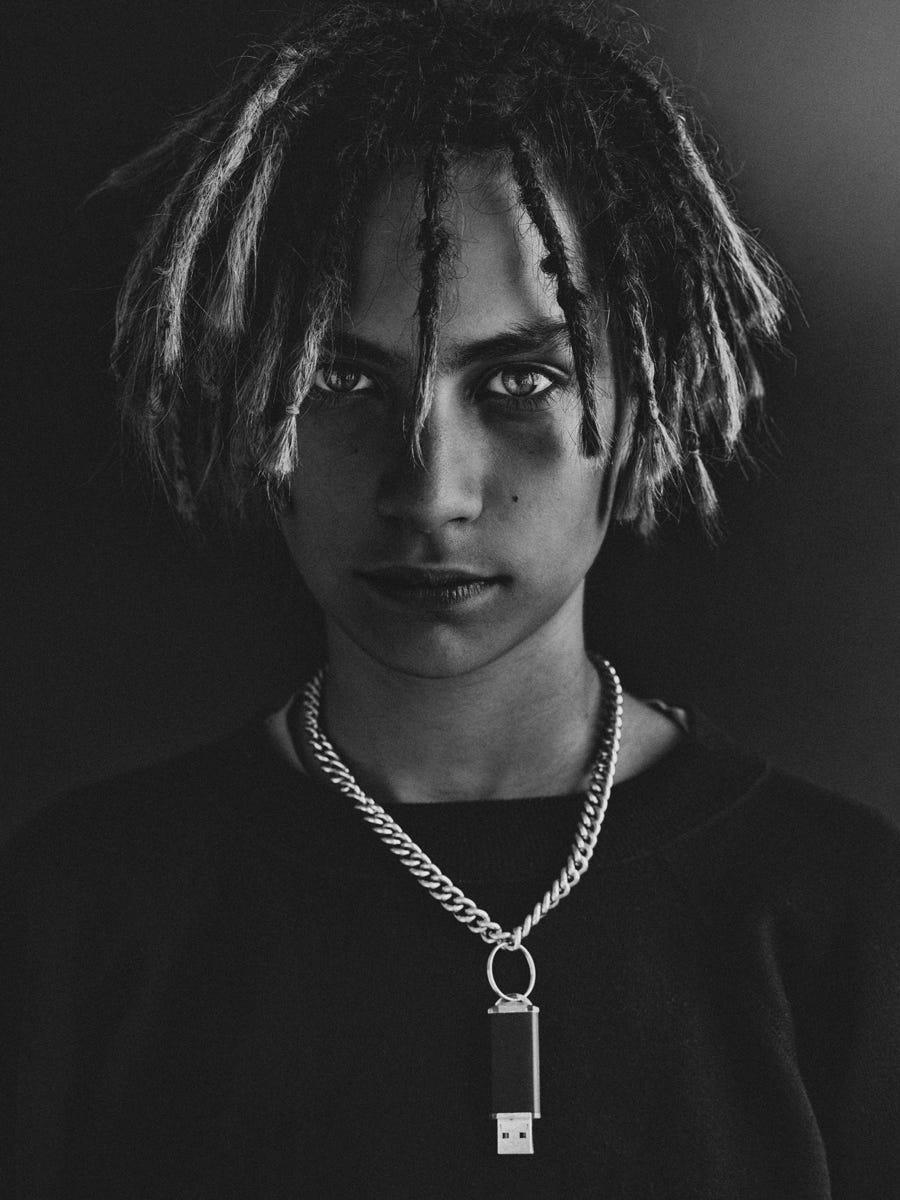
In the end, I think I photographed more than two hundred people. Het Parool published one of the portraits across a full page every week, along with the person’s name and profession. That same year, the project was made into a book: it was 192 pages long, measured 25 by 34 centimetres, was printed in duotone, and was published in an edition of 1,000. It also featured an essay by Erik Vroons.
The next city
Amsterdam Portraits was always intended as a starting point. From the outset, the plan was to take the project to other major cities: LA Portraits and New York Portraits. Seven years later, I still believe I should do it. London, Los Angeles, New York and Paris.
To do this properly, I need the right collaborations. If you work for a brand, company, institution or museum and can see a place for this project in your city, please reply directly to this email. I would love to talk about where Amsterdam Portraits could go next.
This is how the project was presented. In the rest of this deep dive, I will explore what happened inside the trailer in more detail: why people who walked in off the street were less nervous than those who came to my studio; the man from the Noordermarkt who stayed with me more than anyone else; the connection to a portrait studio on the Leidseplein from 1913; and my belief that pictures like these are important for a city.
