


Sometimes, the images I am most sure about are the best ones. But sometimes they are not, and that is worth understanding.
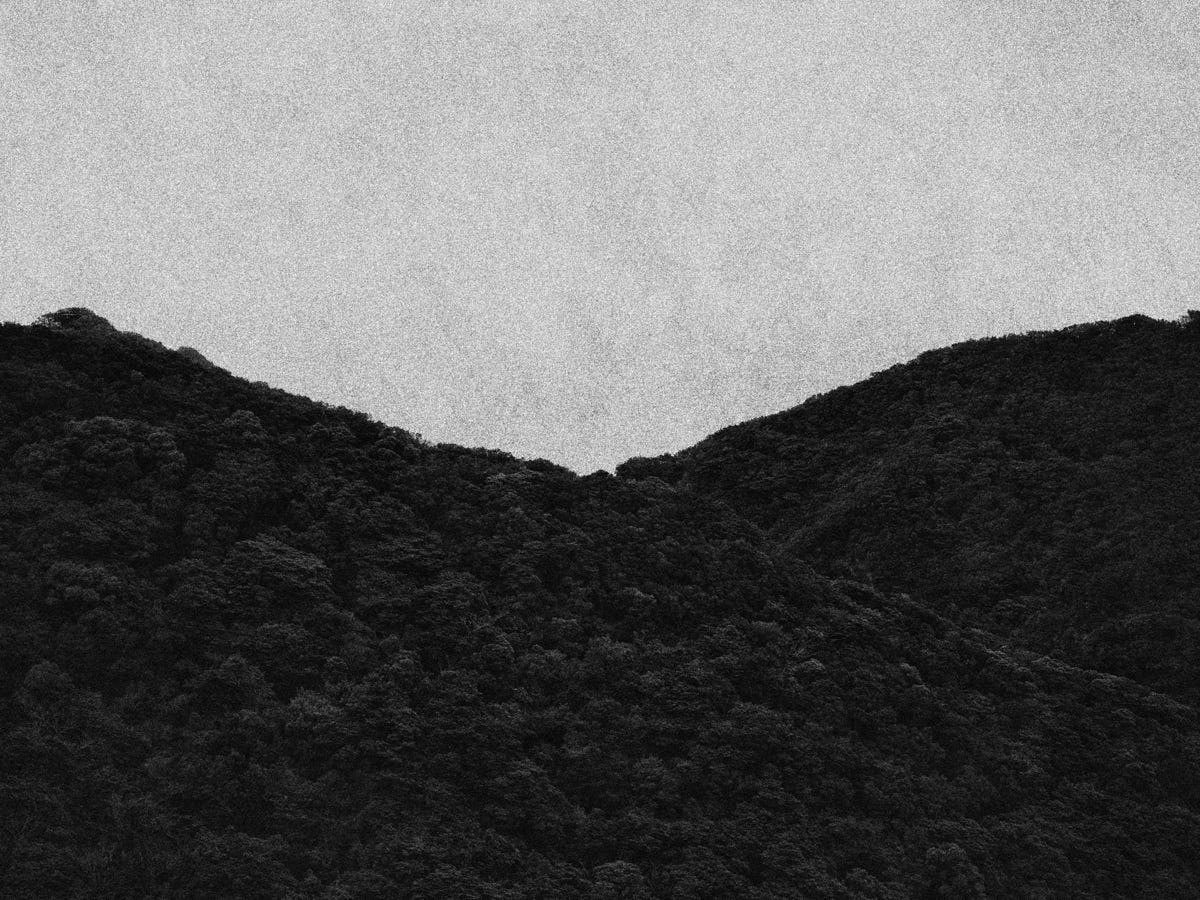
The images I am most sure about are sometimes the best ones. My eye has been trained by years of creating work, and most of the time I trust it completely. However, certainty is a feeling and a feeling can point in more than one direction. Over the years, I have learned to treat certainty as a starting point for a decision, rather than the decision itself.
Certainty begins much earlier than the editing process. It is at work during the shoot, long before I sit down with the images. Each time I take four or five frames from the same position, shifting a shoulder or chin by a centimetre, I am making a choice. Every time I decide that a shape is finished or that we should try one more thing, I am making a choice. By the end of the day’s shoot, much of the selection has already been made without a single image having been viewed on a screen.
This is why I want to understand what certainty actually is. When I am sure about an image, it feels like a judgement of its quality. More often than not, it is a measure of recognition. The image matches something I already know: my own way of seeing things, an image that has worked before or a shape that feels like mine. Recognition and quality produce the same feeling, and you cannot tell them apart from the inside. When my eye recognises something new, certainty is the best guide I have. When it only recognises something familiar, the same feeling leads me to images I have already created.
In the rest of this piece, I will show you how I work on set, explain why I leave shoots for weeks before looking at them for the first time, discuss the work I did not want to include that sold out and reveal the images I chose with full conviction that nobody else seemed to see. This applies to photographs, but I suspect it also applies to anything you create and then have to select from.
Before the editing process begins
Tino and I build it up until we have gone too far, and then we take it apart piece by piece until we find a solution that works. Sometimes, the solution turns out to be the first thing we tried an hour earlier. One of my favourite pictures that we have ever created came about exactly like that.
Had I followed my certainty in that first hour, I would have stopped there and never realised that the image was right. Had I followed my certainty three hours later, I would have kept the overbuilt version. The picture exists because I persevered beyond the point where I felt sure, and then came back.
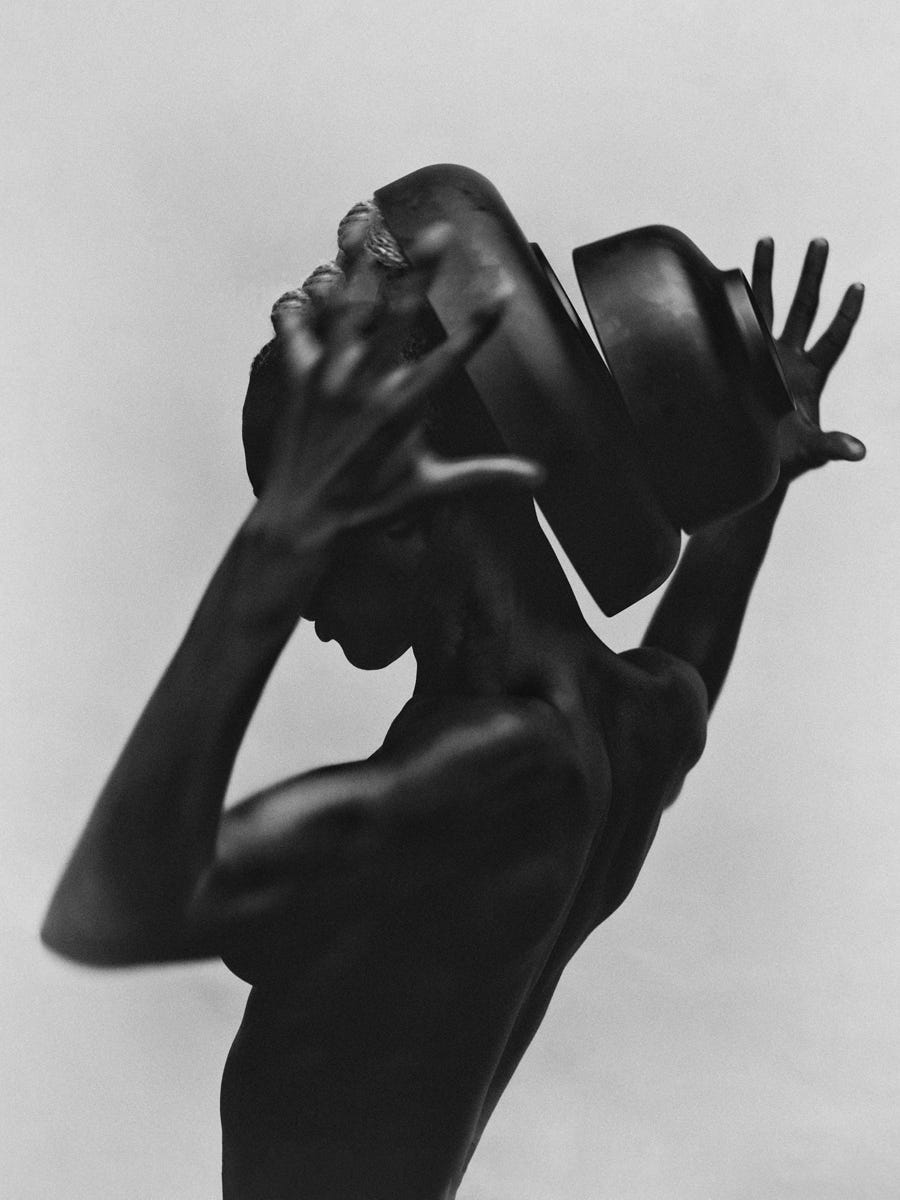
There is another image from one of those days. A shape was resting on her head; it fell and I photographed her at the moment it came off. That photo only exists because we had been working for long enough for something to go wrong. Having certainty on set is useful because it keeps you moving. However, it becomes a limit the moment it stops you from capturing the image you did not plan.
Letting a shoot rest
After a shoot, I often leave the images untouched for one or two weeks, sometimes even three, before I look at them for the first time. Right now, I am in exactly that phase. I did a shoot two weeks ago, but I have not opened the files yet. The first edit will probably happen next week. The real selection and finishing of the images will follow a few weeks after that.
I work this way because the images continue to develop in my mind when I am not looking at them. Some of them stick with me and grow. Others fade before I have seen them again. By the time I sit down for the first edit, I am looking at them with different eyes to those I had on the day itself.
And the process repeats. A shoot is edited in rounds, sometimes over months. An image that I was completely sure about in the first round sometimes does not survive the third. It drops out, changes or turns out to need the image next to it more than I thought. Each round provides the necessary time for certainty to be tested. What remains after three rounds has earned its place.
The work that I did not choose
In 2021, I prepared an exhibition with Bildhalle in Amsterdam. One piece that I had excluded from my selection was Hortense. I could not see how it connected to the rest of the works. However, Mirjam, who runs the gallery, was convinced of its quality and wanted to include it. We hung it.
Hortense sold out.
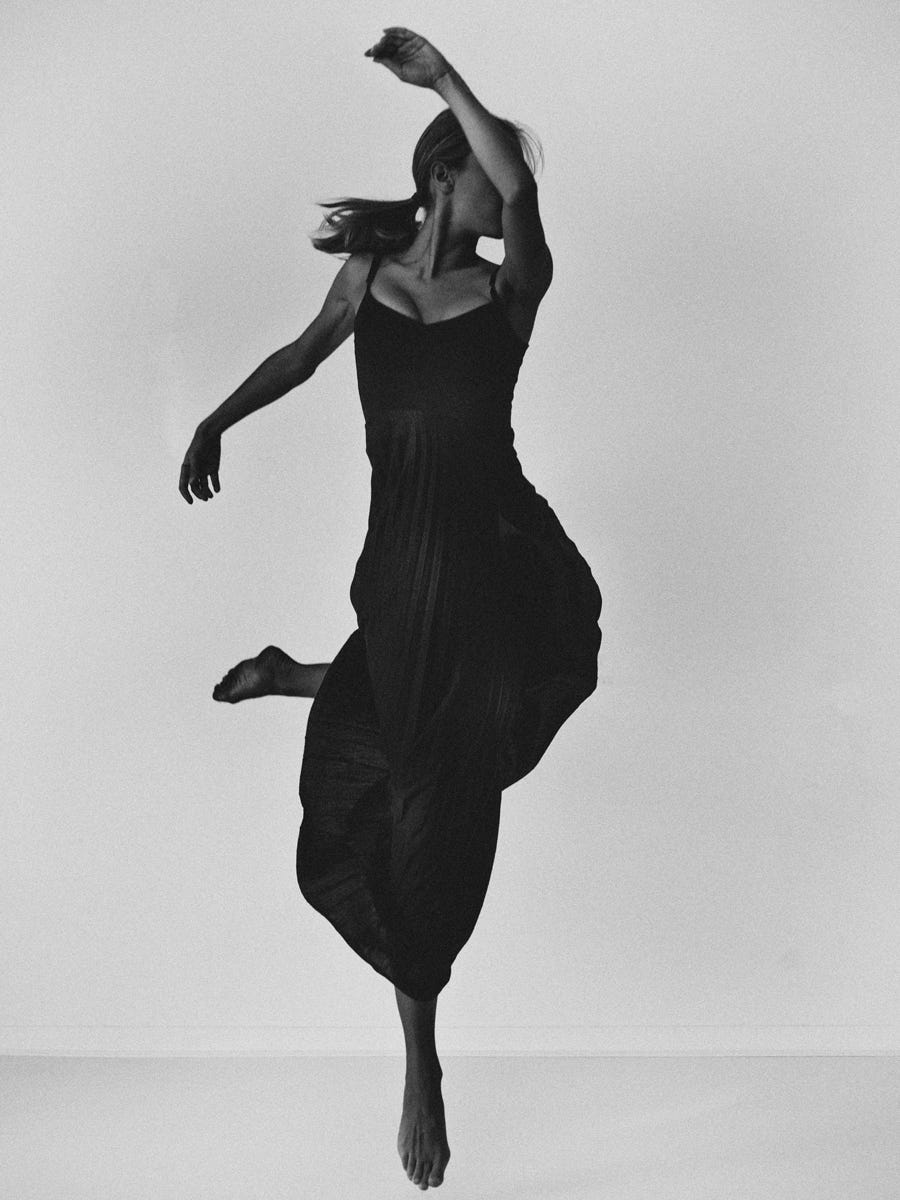
This story illustrates how a successful exhibition comes together. Mirjam viewed the work from a different perspective, using her own judgement and knowledge of her collectors. She saw something in the image that my own perception of the series had overlooked. Trusting your eye does not mean rejecting anyone else’s.
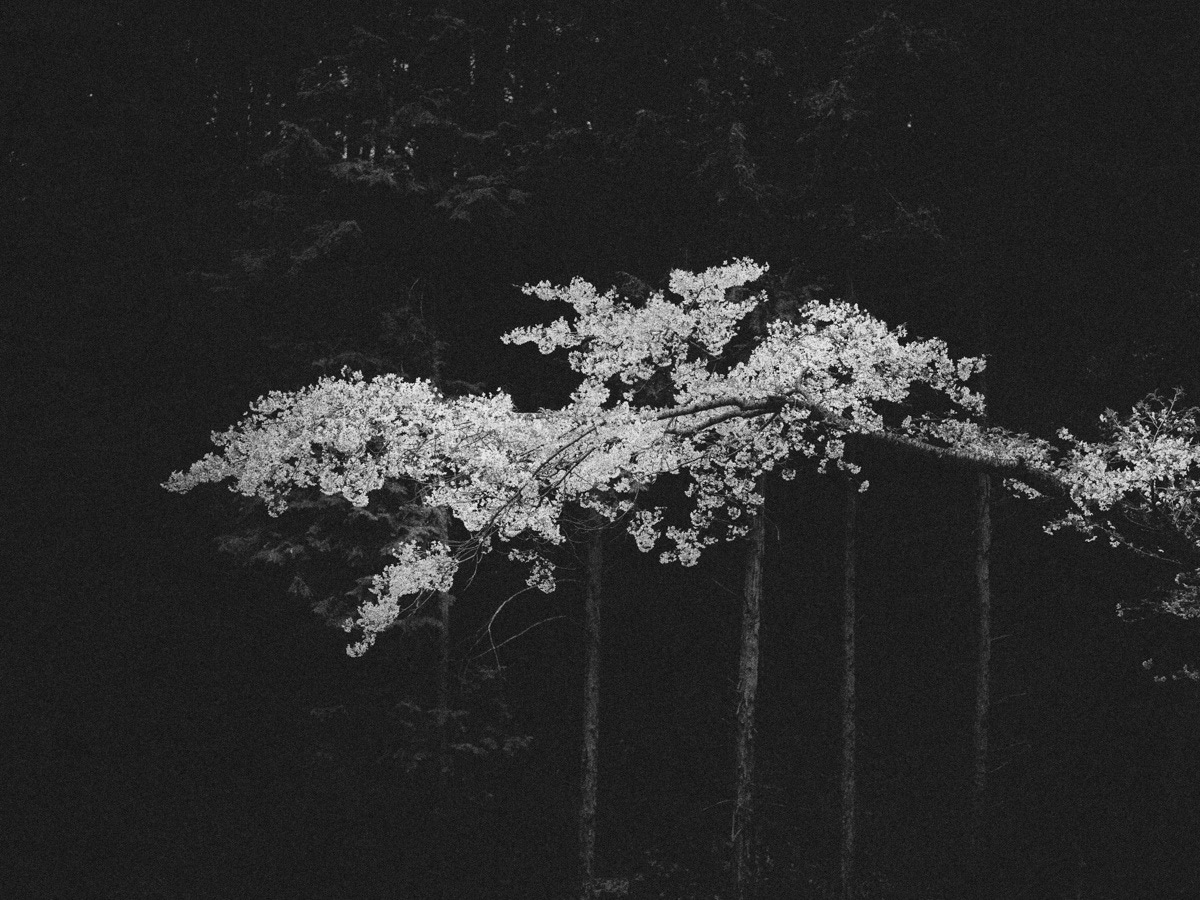
The selection for Henro was the hardest I have ever made. I cycled more than twelve hundred kilometres and visited eighty-eight temples, but in the end I left out far more than I included. In the last days before the exhibition, I added a few images back into the selection that I had previously set aside. One of them was Sakura. Those images completed the exhibition. They were the ones that made the sequence feel complete.
The image only I can see
It works the other way, too. There are images that I have chosen with full conviction for an exhibition or a proposal to a gallery that never sold. This happens more often than people might think. Sometimes I wonder why others do not see what I see in them.
I think part of the answer lies in a blind spot. I know my own work so well that I can recognise my signature style in an image immediately, and that recognition feels like strength. To me, this image is clearly one of mine. However, a signature can also become overused. What feels essential to me may feel familiar to someone who has seen my work before. The image carries something real and something I have shown before. From where I stand, I can only see the first part.
This is where the initial explanation comes in. Certainty told me that the image was right. In fact, it was telling me that I recognised it.
What I take from it
I trust my eye. I would not be able to create work without that ability. What I have learned is how to structure that trust: to keep shooting past the moment I feel sure, to let the images rest before judging them, to edit in stages and see what remains, and to listen when someone whose eye I respect sees something I do not.
Certainty is a good starting point, but a poor editor. The images that survive all that are the ones I can stand completely behind.
More soon.
— Bastiaan